
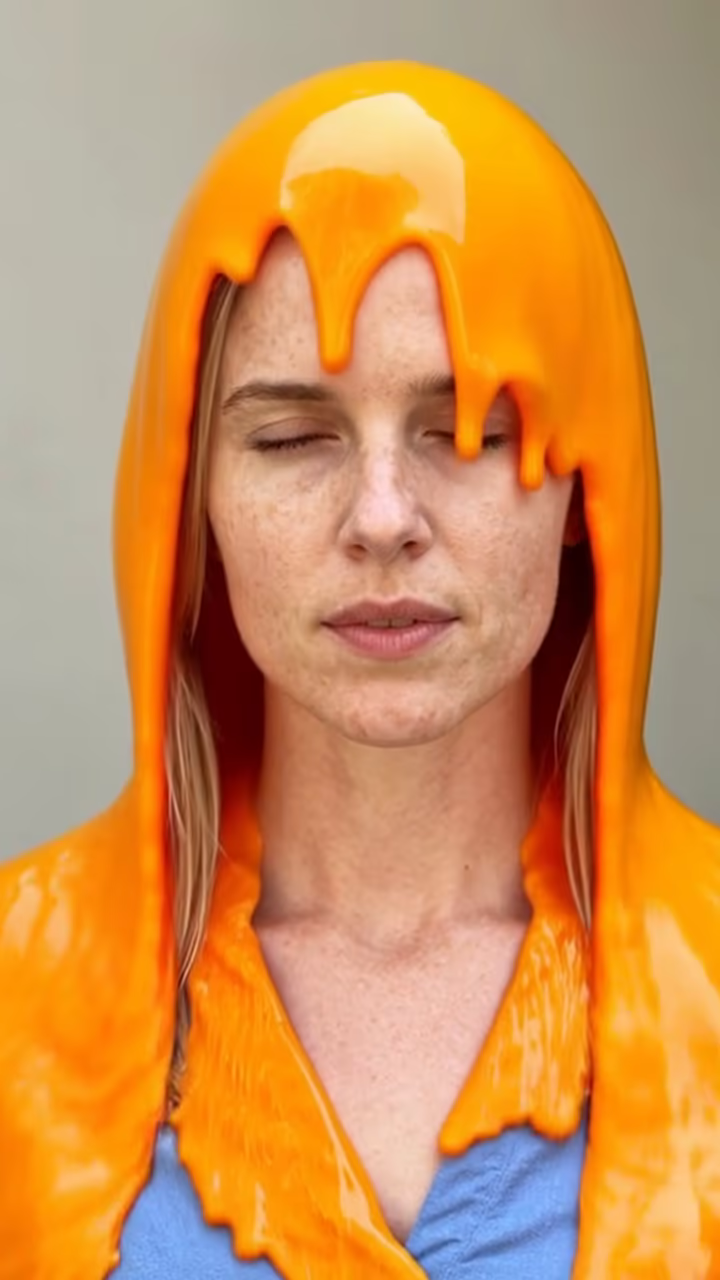
What is the Glitch Makeup AI Transition?
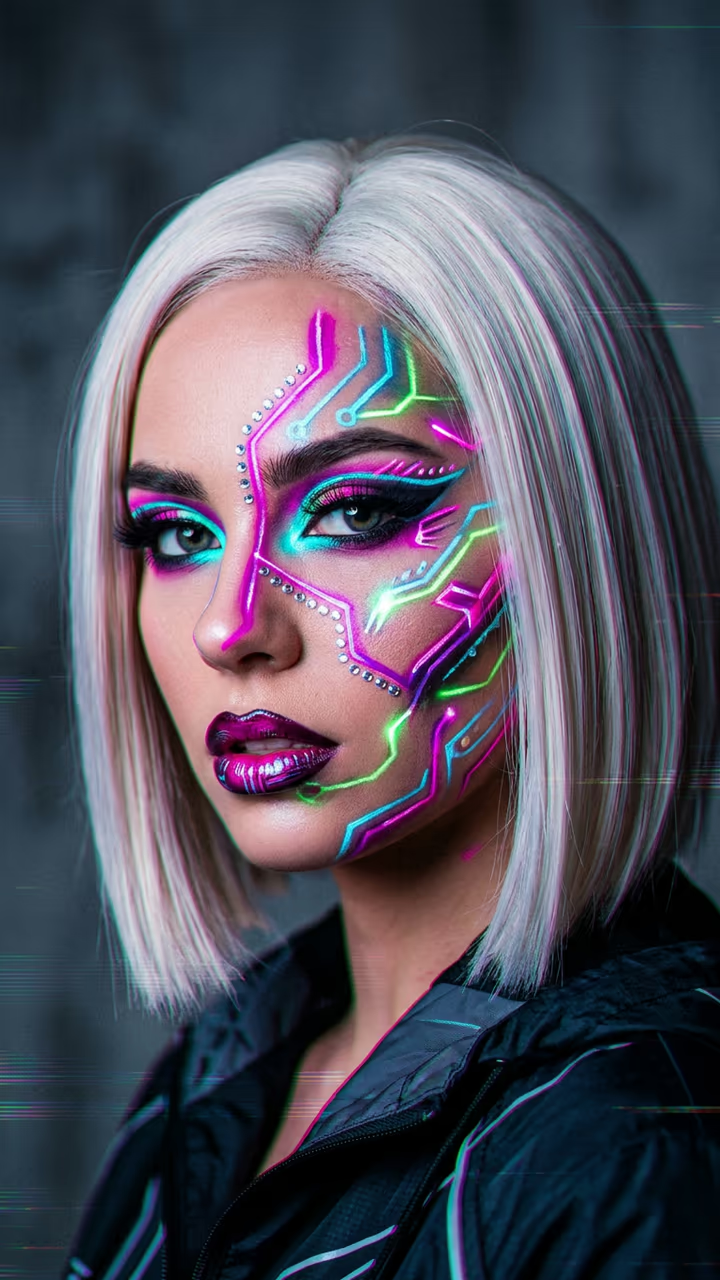
The glitch makeup AI transition turns one selfie into a beauty-creator transition video. It starts like a normal makeup clip: you are chest up in front of a plain wall, holding a flat brush loaded with bright green paint, and you paint quick, bold stripes across your forehead, one cheek and your jaw while looking calmly into the lens. Small RGB colour bars flicker inside the green strokes. Then the beat drops. The whole picture glitches, with an RGB split, horizontal tearing and pixel blocks, and when it clears you are in full cyber makeup: thin neon circuit-trace lines in white, magenta, cyan and lime around your eyes, cheekbones and jaw, tiny silver rhinestones, glossy lips and a sleek straight platinum wig. You tilt your head and stare into the camera as the lines flicker.
The transition is one of the newest beauty formats of October 2026. The most-viewed version passed 9.5 million views with nearly 2 million likes, others reached 5.6 and 2.1 million, and the #glitcheffect tag sits above 600 million views. Real versions take hours of face paint and editing; this one takes a photo.
Your selfie is the first frame and a video model does the rest in one 10-second clip with brush sounds, a glitch hit and a heavy electronic drop. It is vertical and watermark-free.
Why your selfie matters here
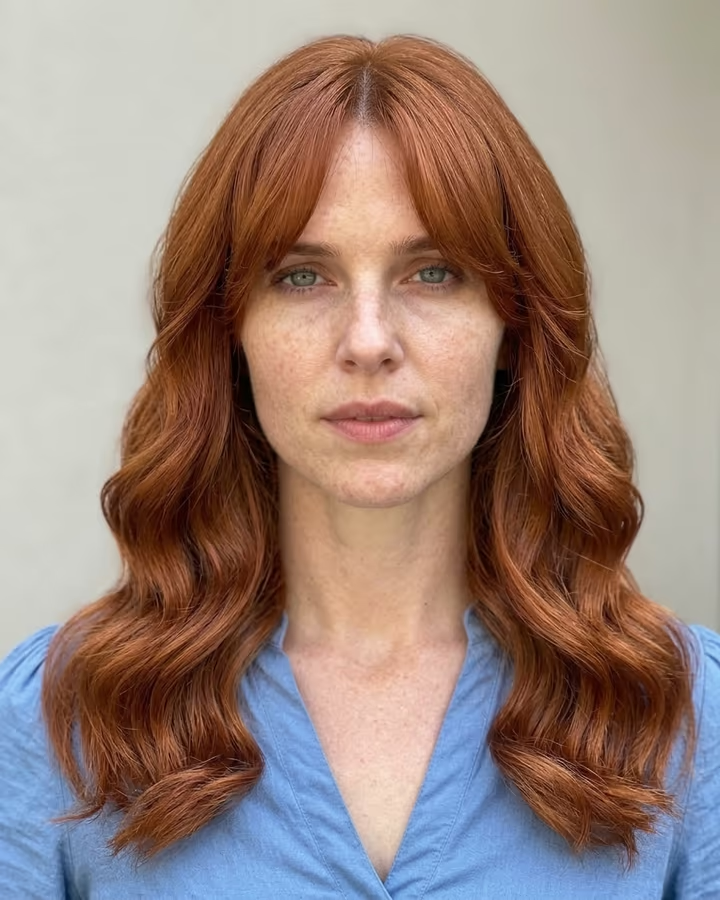
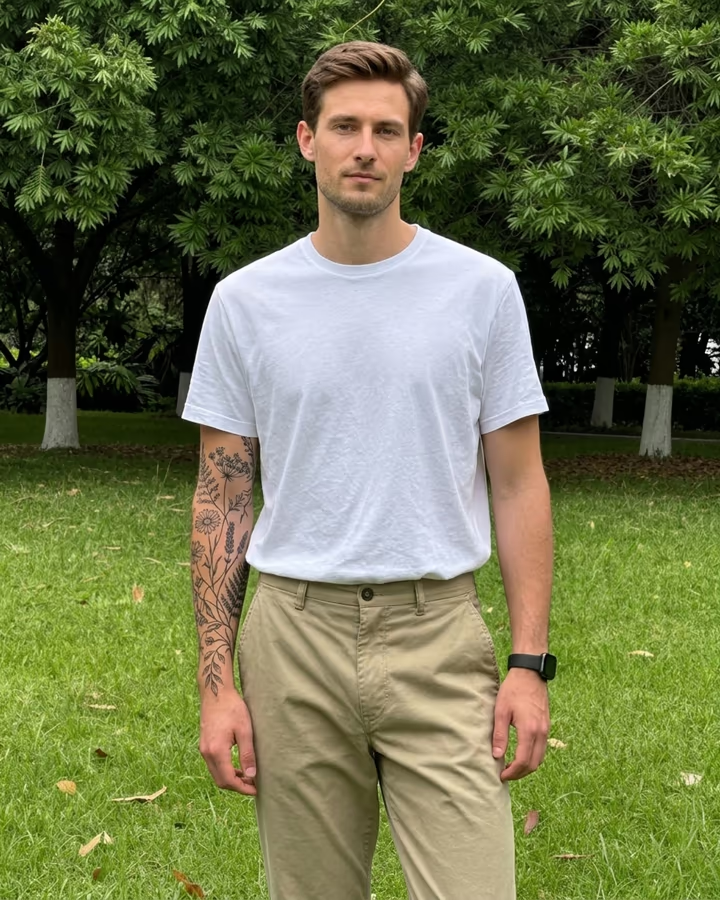
Unlike most video templates on Soracai, this one does not build a new start frame. Your photo is the first frame of the video, and the model paints and transforms you from there. That keeps your face closest to the original, but it also means the background and framing come from your photo. A plain, light wall and a chest-up crop give the cleanest result.
The timing
The clip is written in three beats: about four and a half seconds of painting, a short glitch on the drop, then five seconds of the finished look. That mirrors how the viral versions are edited, so it lines up with most electronic trending sounds without extra cutting.