
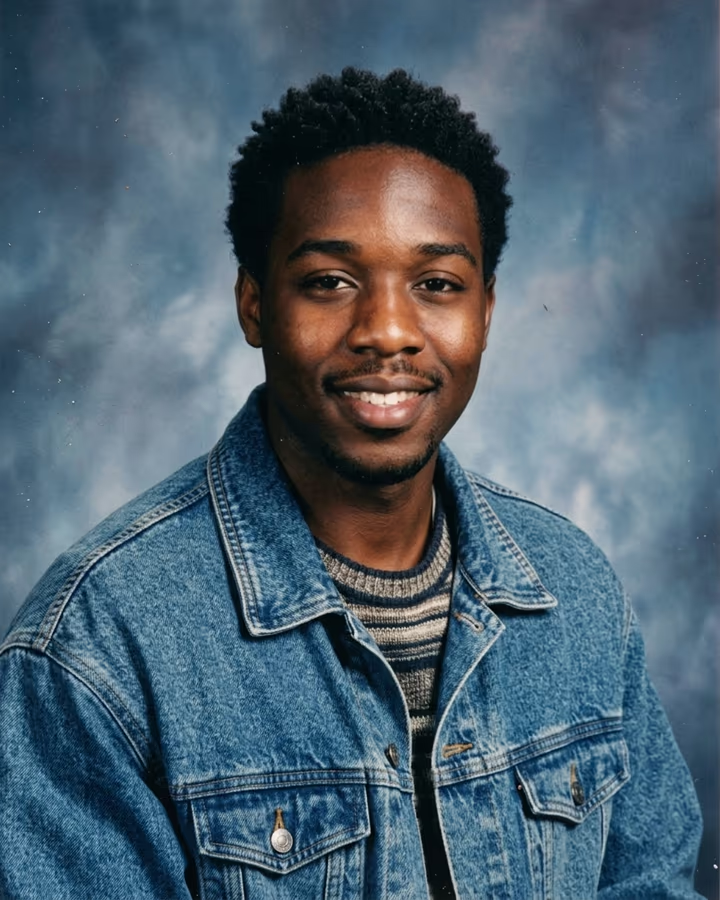
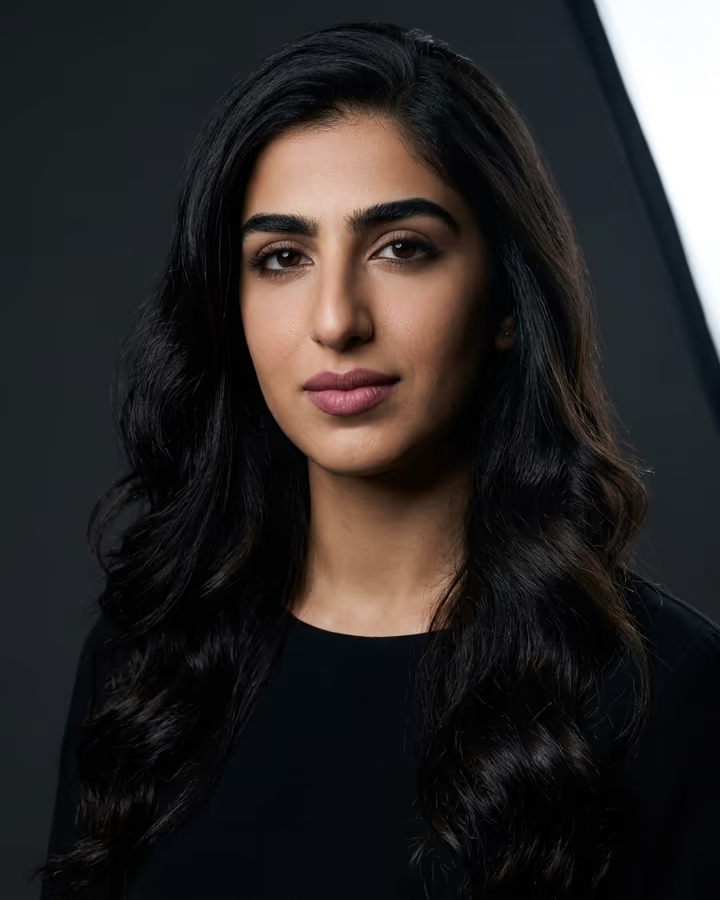
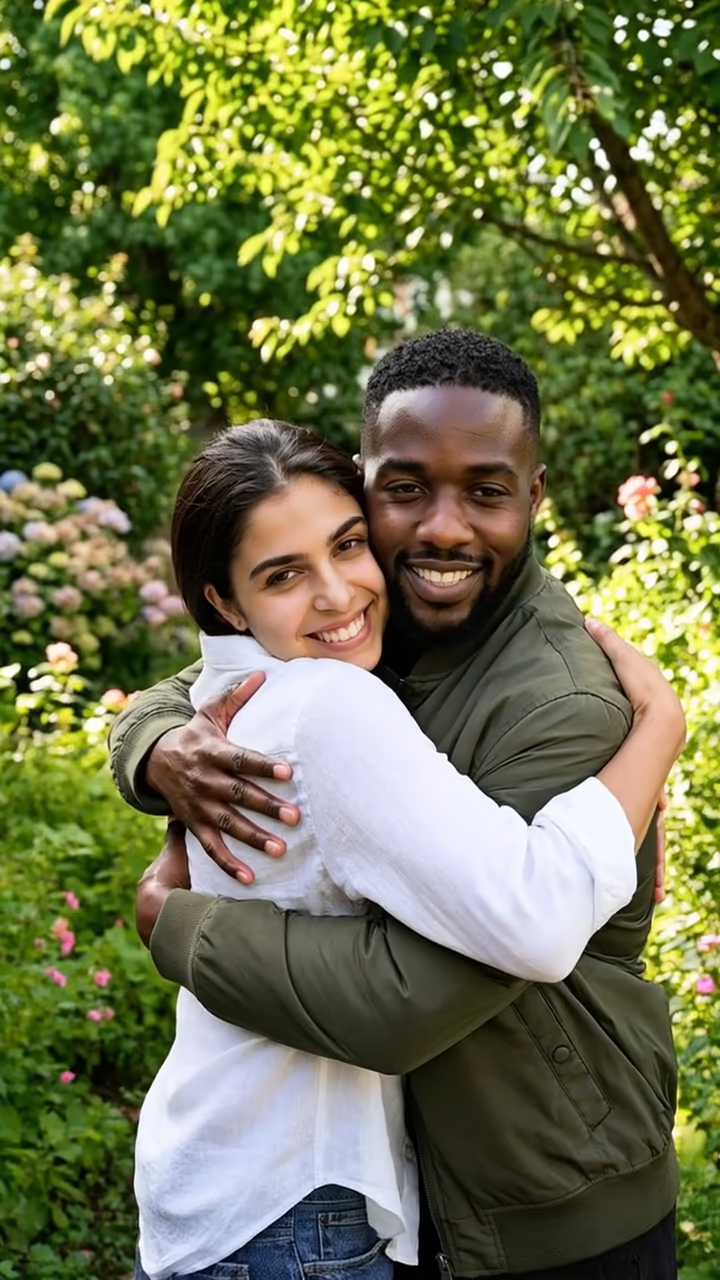
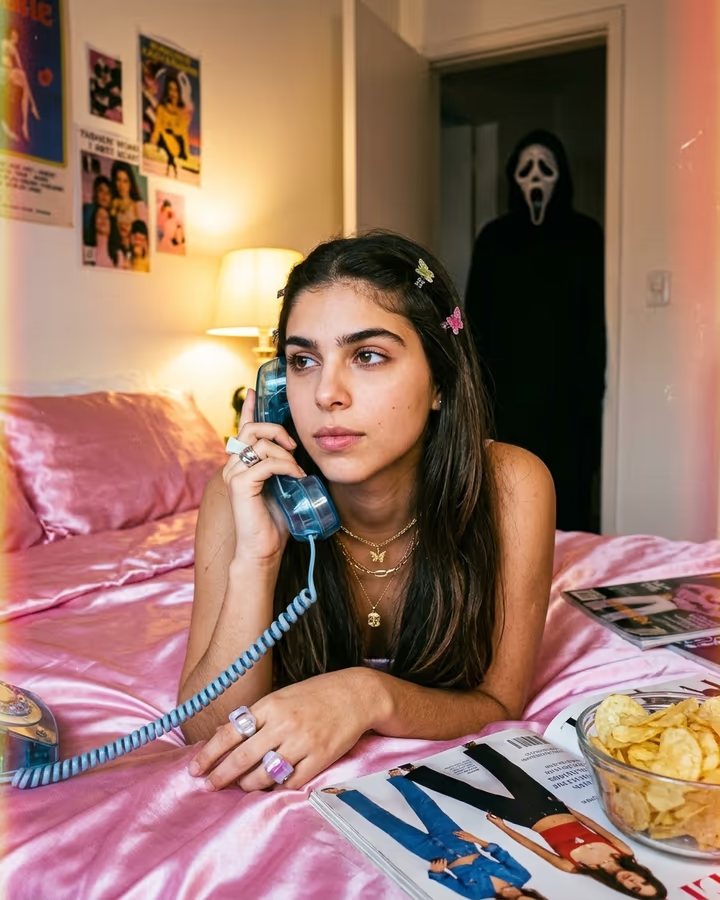
What is the AI Photo with Celebrity?
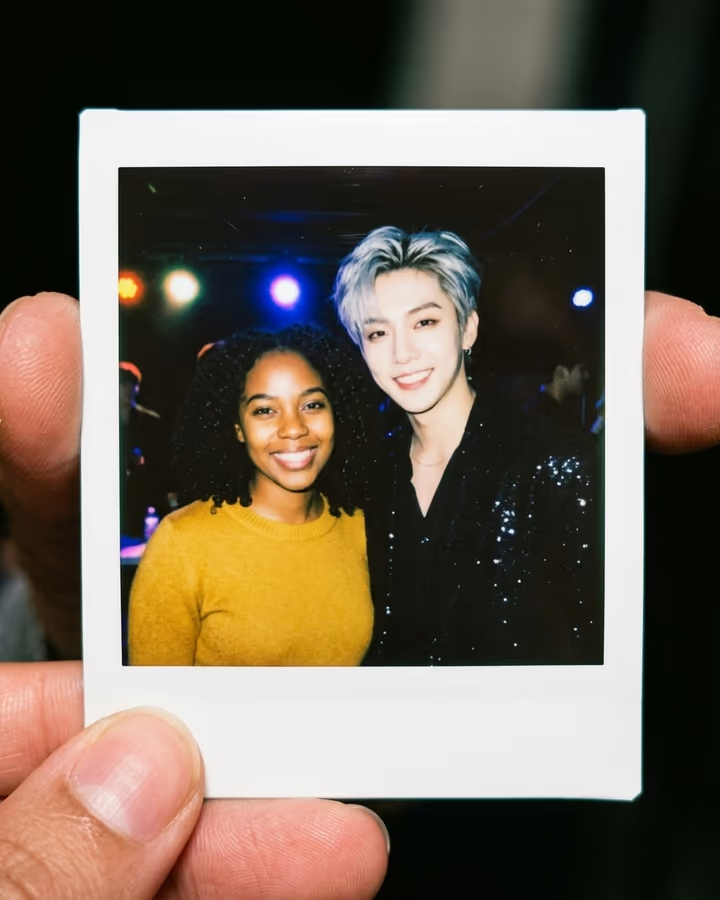
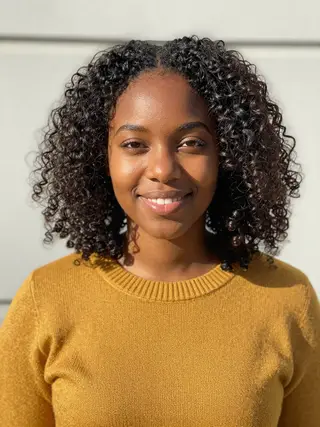
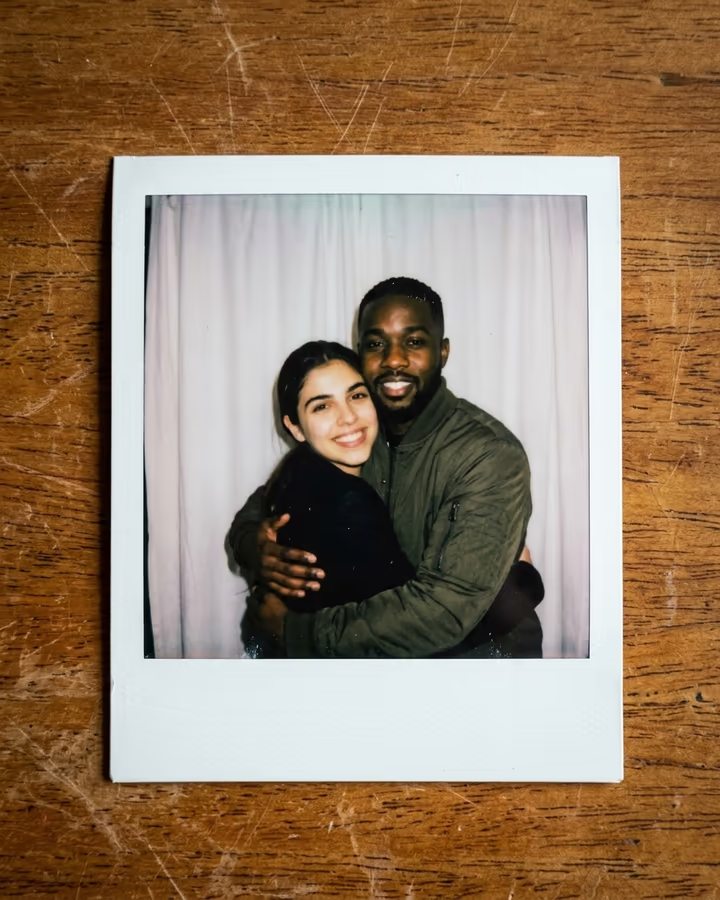
This template turns two photos into a backstage fan Polaroid: you and your idol standing shoulder to shoulder, lit by a camera flash, with blurred stage lights behind you and the white instant-film frame held between two fingers. It is the format fans use after a meet-and-greet, recreated from two separate pictures.
The idea grew out of the 2025 AI Polaroid trend on Instagram and TikTok. Once Gemini's image model made it easy to merge people from different photos into one convincing print, fans started making Polaroids with the singers, streamers and creators they follow. It caught on in fandom communities such as K-pop, where photocards and Polaroids are already collected and traded.
We run it with one firm rule: the second photo has to be of someone who agreed to it, and you need the right to use it. That can be a local musician who said yes, a creator friend, a band member at your school, or a performer who shares photos for fan edits with permission. Our own example uses a fictional singer generated by AI, not a real celebrity, and we do not publish examples of real public figures.
The result is AI-made, and it should be shared that way. Label it as an AI edit when you post it, and never use it to claim you met someone you did not meet. Used honestly, it is a fun keepsake: the photo you would have taken if you had been backstage.
Our policy on real people
We do not use real celebrities' names or faces in our examples, and you should not upload photos of public figures who have not agreed to this. Merging a real person into a photo without consent can mislead people and can violate that person's rights, even when the intention is harmless.
The rule is simple: upload yourself, and a second person who said yes and whose photo you have the right to use. Do not use the result to suggest a relationship, endorsement or meeting that did not happen, and do not use it to harass or impersonate anyone. When you share it, say it is an AI image.
How the backstage look is built
The template asks for a specific set of details: the Polaroid held between fingers, flash lighting from the camera, colorful stage lights blurred in the background, and the grain and slight softness of instant film. Those details make the two people look like they were photographed at the same moment, even if the source photos came from different places and cameras.
Both faces, hairstyles and skin tones are kept as close to the originals as the model allows. If one face looks off, the usual fix is a sharper, front-facing source photo with even light.