
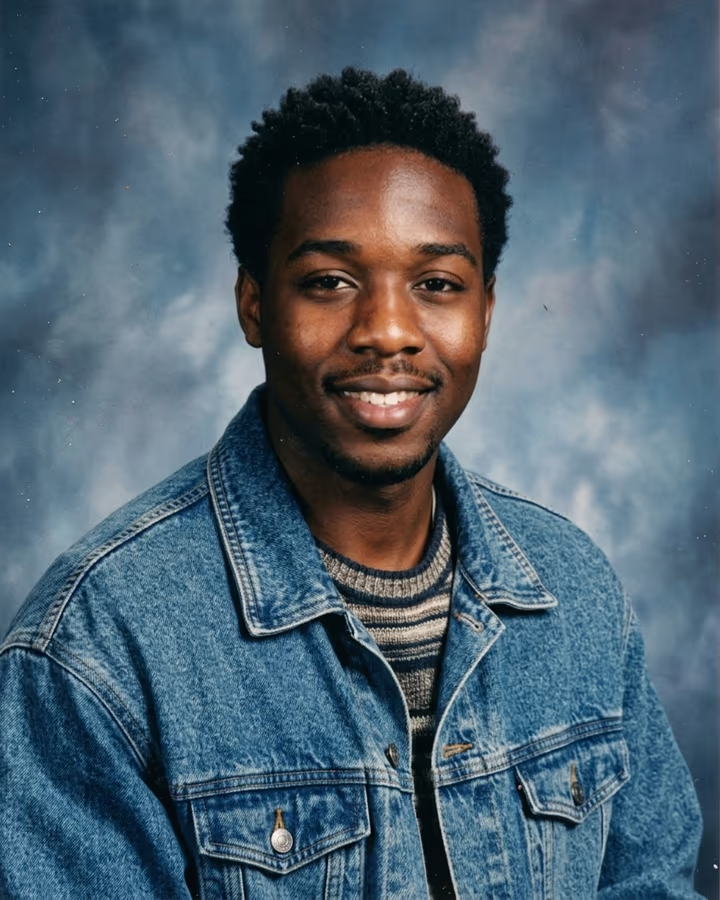
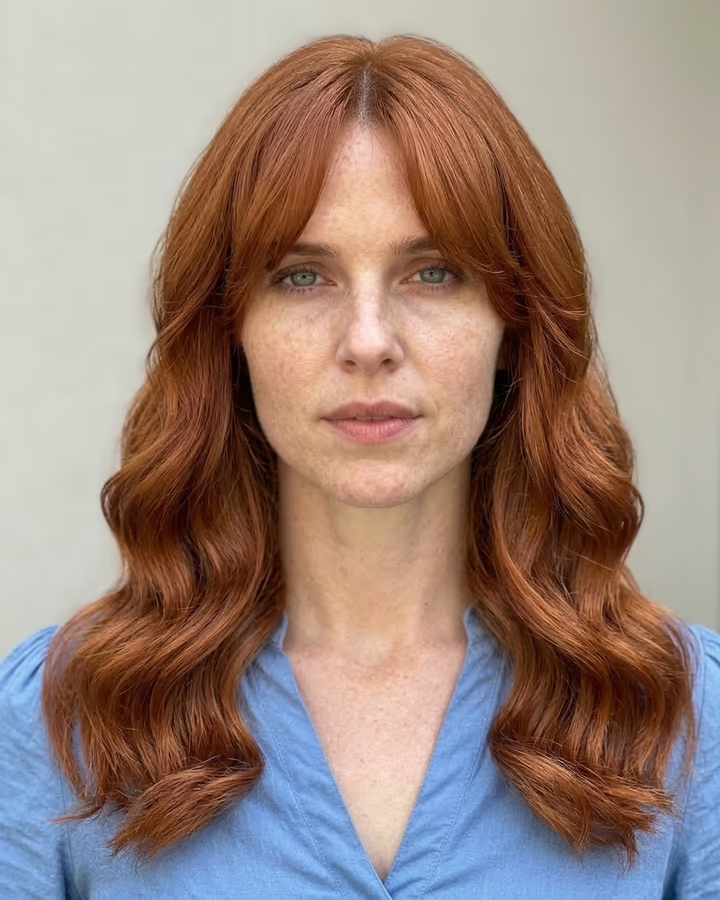
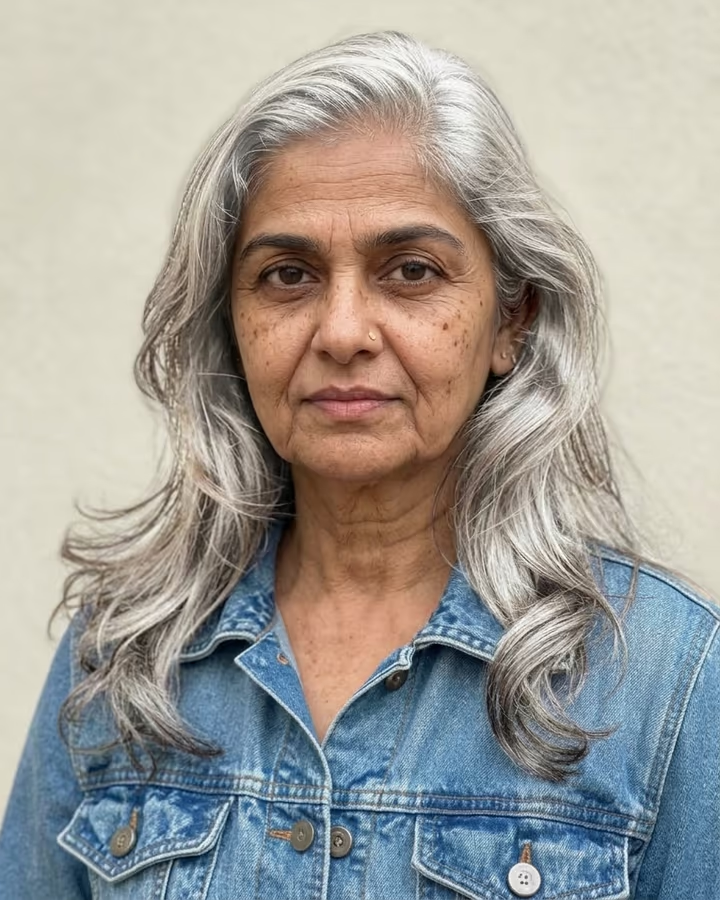
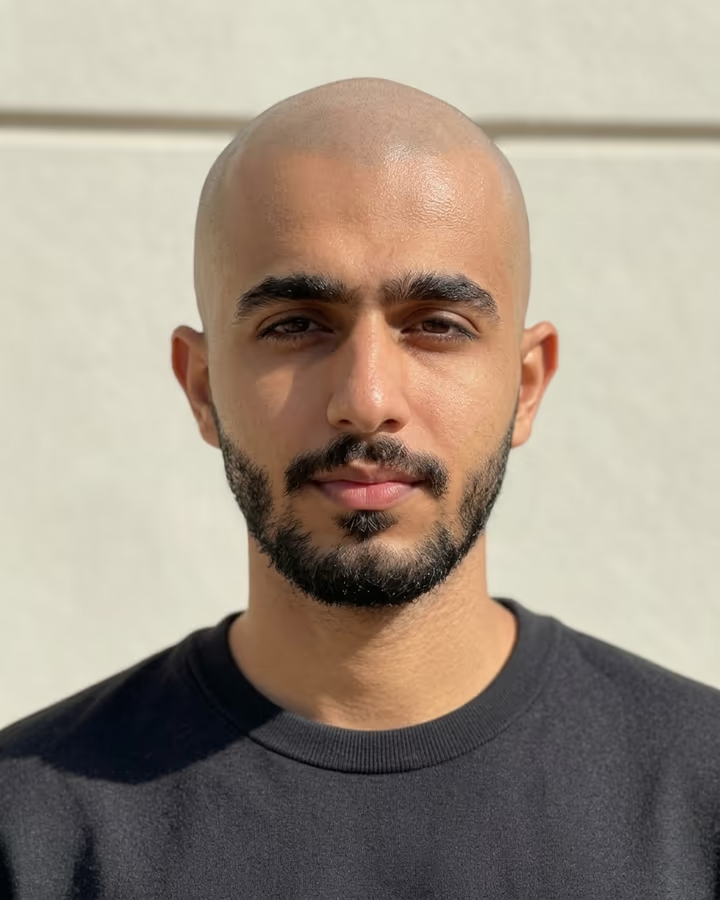
What is the AI Headshot Generator?
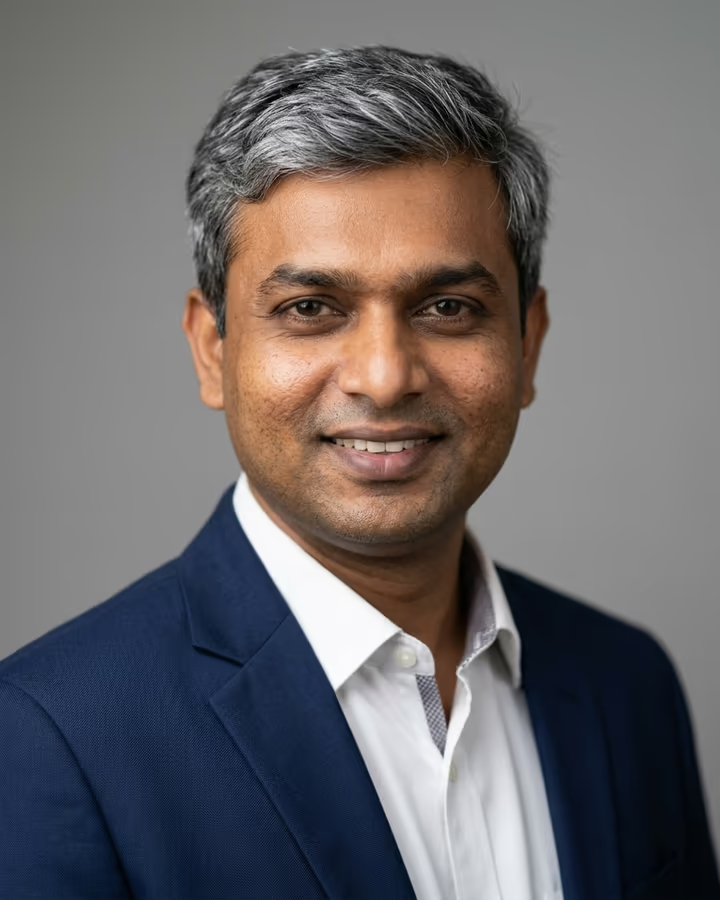
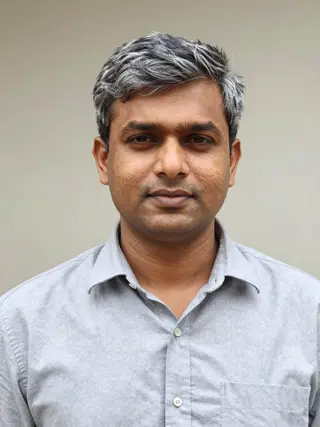
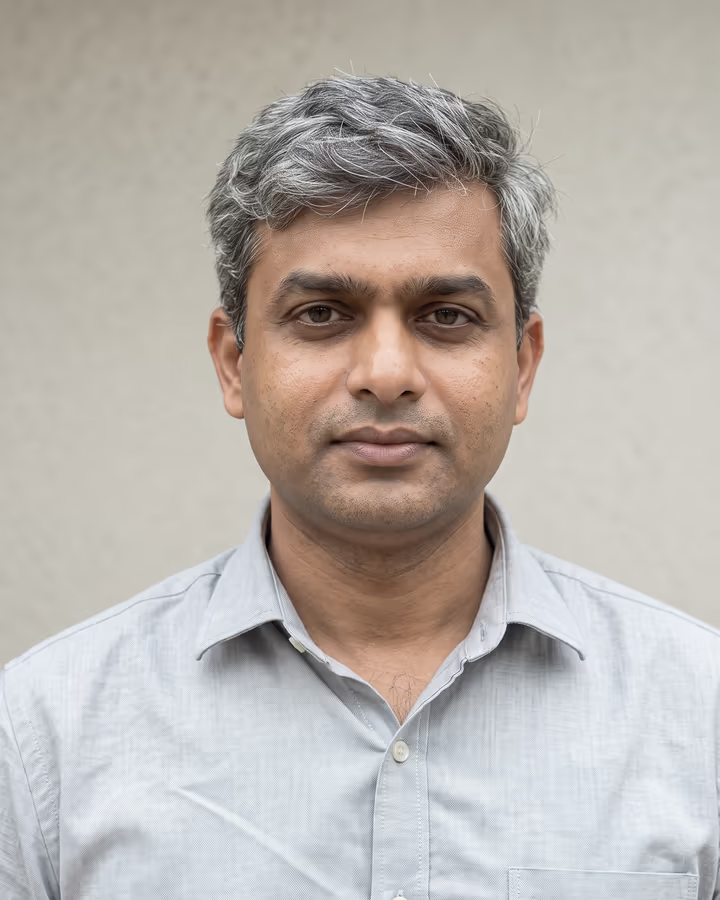
The AI headshot generator takes an ordinary photo of you, like a phone selfie, a cropped vacation shot or a webcam still, and returns a studio-style business portrait. You get a well-fitted navy blazer over a crisp shirt, head-and-shoulders framing at a slight angle, a soft key light with gentle fill and a neutral grey seamless backdrop. Your face, hair and skin tone are kept as they are. The model only tidies flyaway hair; it does not reshape your features.
AI headshots took off around 2023, when remote hiring and LinkedIn job hunting made a decent profile photo feel necessary, but a photographer session still meant booking, travel and a fee. The first tools asked for 10 to 20 selfies and an hour of model training. Newer image models such as Nano Banana 2, which runs this template, can work from a single photo in well under a minute. That makes it practical to try a few versions and keep the one that actually looks like you.
A quick honest note: the result is an AI-generated image, not a photograph of you in a studio. For most profiles that is fine. Some employers, ID systems and press kits still want a real photo, so check before you use it in those places.
What recruiters expect from a headshot
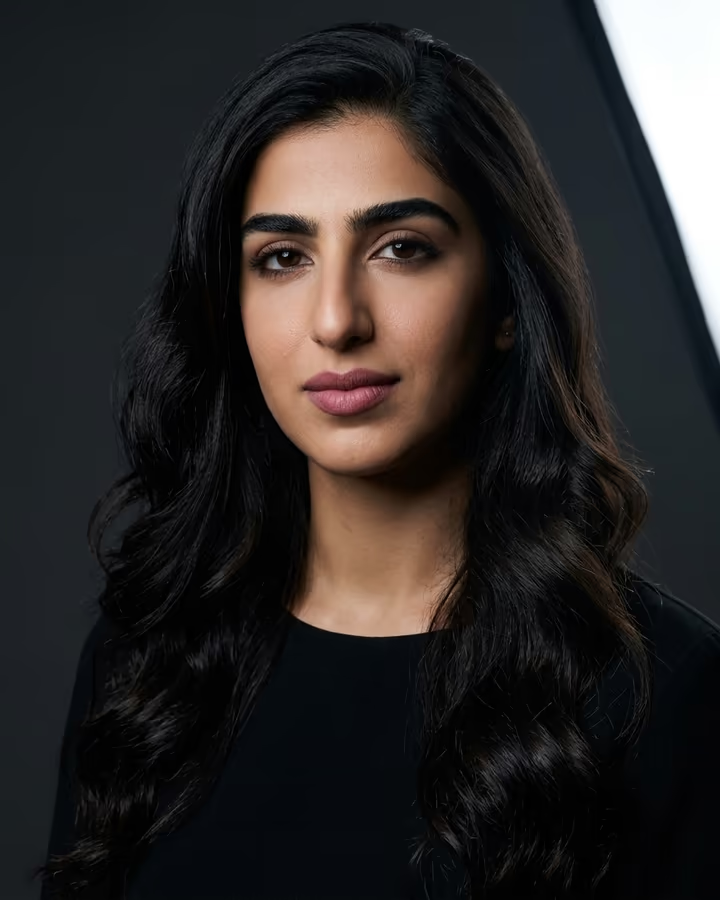
A profile photo's job is to make you recognizable and approachable, not to impress anyone with production value. Hiring teams generally expect your face and shoulders to fill most of the frame, with eye contact, a natural smile, a plain background and clothing that matches the work you do. A navy blazer on grey is a safe default for corporate, finance, consulting and sales roles.
For creative or technical jobs you can go more relaxed. Use the details field to ask for an open-collar shirt, a knit sweater or a lighter backdrop. Whatever style you pick, the most important thing is that the picture looks like you today. A photo that flatters you but doesn't match what people see on a video call works against you.
AI headshot vs. a photographer
A professional photographer gives you real lighting, coaching on posture and expression, and a photo that is legally and factually a photograph of you. That still matters for passports and other official IDs, some newsroom and government roles, and companies whose brand guidelines require real portraits.
An AI headshot is quicker and easier to redo. It suits a profile refresh, a new job search or a small team that wants a consistent style. Many people use both: AI to get a good profile photo up today, and a real shoot later when a specific employer or publication asks for one.